Monthly Archives: January 2012

Palo Alto Gold

Finally 2012. The year everyone in local real estate has been waiting for. Facebook is going public, the tech sector is chugging along and multiple offers are back. 2011 saw a big rebound in Palo Alto prices and the early goings of January have been hot, hot, hot. Every real estate agent in town has a long list of buyers and you can almost feel the preparation for a spring frenzy. The hordes of buyers are going to overwhelm our meager supply. Or are they?

A quick look at the accompanying charts shows that last year’s market rebound may be more about supply than demand. And that supply has been remarkably low, and falling for quite a while now. With the exception of 2009, which saw some forced selling, the number of homes offered for sale each year after ’08 in Palo Alto has been in the 500’s, substantially lower than norm of 700’s and lower even than the dot.com years’ 600 range.

Meanwhile, the sales numbers are not all that impressive. Last year’s 453 sales, while up from the previous three years, is still 14% lower than the 10-year average before the 2008 collapse. Our hot market isn’t about buyers, it’s  about sellers – or lack of them.

So, what if the sellers all show up at once? Take five years of pent-up selling demand, mix in a probable rise in 2013 capital gains rates and add a media frenzy about newly minted tech millionaires in May and you may have a rising inventory cake, with the icing being some options and choices for the buyers and caps on baked in gigantic price increases.

Do I believe any of this? Not sure. The buyer-side demand that we are seeing for Palo Alto is intense and unlike anything since you-know-when. I think we are most likely in for a wild ride in 2012. But, if I was a seller, I’d sell into the teeth of it and not take the chance that everyone else jumps in once they see that the gold rush is on.
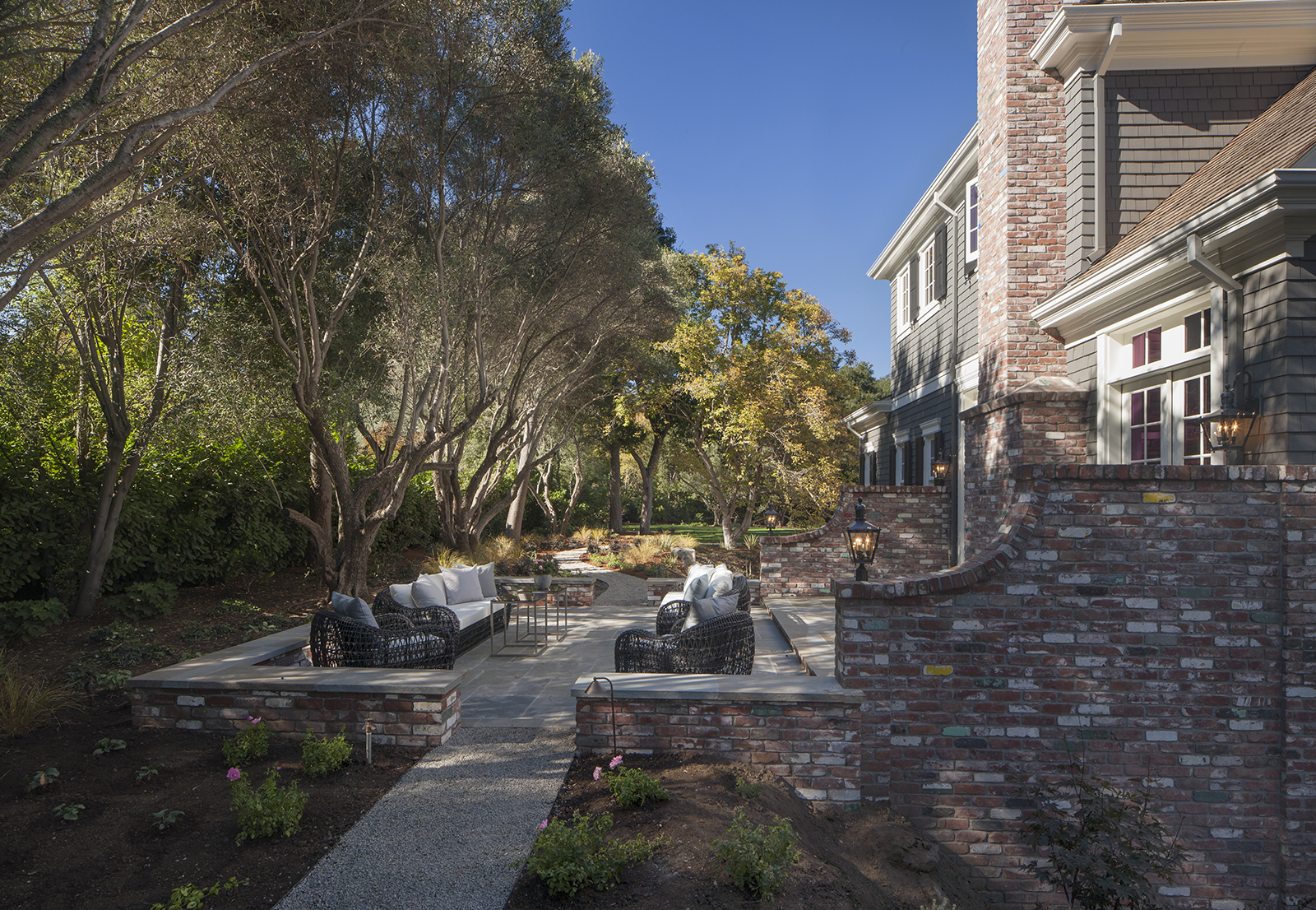
 

Palo Alto: Midtown real estate is hot, hot hot……

We’re seeing a revitalization of Midtown that Old Palo Alto experienced ten years ago. Buyers are purchasing small postwar homes that were built on larger lots and building larger, architecturally stunning homes. There are some amazing modern homes and beautiful craftsman homes. These unique custom homes are popping up throughout Midtown. This new construction is raising property values and raising the bar on the neighborhood we thought we once knew. 
 
Here are the 2011 lowdown:

  • 60 home sold in Midtown with an average days on market of 18 (wow!) 
  • Midtown homes sold over list price by $59,000 last year, on average (wow again!)
  • Average list price $1,444,660
  • Average sales price $1,504,089

It’s a great time to live in Midtown, and it’s a good time to sell there, too!  When I think of Midtown, I think of charm, diversity and friendly community.

The facts about selling your home and capital gains

Everyone in the Valley is talking about how hot start-ups and high-flying IPOs make this the year to cash in for those who are considering selling their homes. While this may be true, there is another more concrete reason to think about selling soon. It’s an issue as old as the hills: taxes.

The current maximum capital gains tax rate will expire at the end of the year. It’s anybody’s guess what the new tax rate will be, but most are thinking it will be higher — quite a bit higher, some believe. Homeowners who are thinking of selling in the next few years may want to pull the trigger sooner rather than later.

Currently, taxpayers are allowed an exclusion of $250,000 for an individual and $500,000 for a married couple on long term capital gains resulting from a sale of a personal residence. To qualify for this exemption, the taxpayer needs to have made the house his or her personal residence for at least 2 of the last 5 years.

The exclusion is not available to second homes, investment property or any home that has not been a primary residence for the required length of time. So all these sellers, plus all primary home sellers with gain above the exclusion level, will be sending some of the profits to Uncle Sam.

For long term owners or those with very expensive homes, this tax rate is significant. For example, if the long term rate rises just 5% in 2012, an individual with a million dollar gain on a qualifying personal residence will face a $37,500 higher federal tax bill selling in 2013 than one would in 2012. A 10% change would mean an additional $75,000 in taxes. For those without a personal residence exemption, those additional taxes would amount to $50,000 and $100,000.

So, if you’re thinking of selling in the next few years, add probable tax changes to your list of reasons to do it now. This may sound like a self-serving comment from someone who makes a living selling homes, but are you willing to bet that rates won’t be much higher in 2013? Oh, and don’t stop dreaming of newly minted valley millionaires. 

Palo Alto 4th Quarter 2011 Results

Palo Alto rang in the New Year with a big bump in prices. The median price rose 7% and the average price went up 22% from the previous December.

Real estate agents have their seat belts on and their tray tables locked as they wait to see how the much the heralded “Facebook Effect” actually plays out. Rather than make you wait, we will tell you what we think. It’s going to be everything every waiting seller is wishing it will be and more.
Inventory is as low as we have seen it in years. Buyers are stacking up like aircraft on a foggy day at SFO.

Interest rates are incredibly low, and the only thing holding back an absolute dam break is that the banks can’t understand what makes this place tick. Not to worry, though, local banks are filling the niche and the financial brokerages are all wound up to give straddle loans on just-issued public stock so the IPO hoard doesn’t have to wait for the lock-up to expire to spend their newly found riches.

On the other hand, the Facebook IPO could tank, everyone will stop importing expensive talent and our little local bubble will pop.

Kidding. It’s 1997 in Palo Alto. Here we go again.

What happened in Menlo Park real estate in Q4?

We are still in a seller’s market in 2012. Inventory remains extremely low. Dreyfus Properties has just released its 4th quarter market report, comparing the final three months of 2011 to same time period year before.

What’s happening with Menlo Park prices?
Menlo Oaks is the poster child for our current situation: low inventory and high prices. Its median sale price is up 40% and has a zero listings currently on the market. Not all neighborhoods are as extreme as Menlo Oaks. For instance, Central Menlo’s median sale price is down 5%, but the averate sale price has increased 2%. This means that lower priced homes are moving in Central Menlo (homes under $2M+)

Allied Arts’ average and median sale price increased nearly 40%. By contrast, average and median sale price fell in the Willows and University Heights, largely because the types of homes selling here are smaller, lower-priced listings. 

What’s happening with Menlo Park inventory?
I always look at inventory because it drives prices. Low inventory means higher prices and frustrated buyers. Every neighborhood in Menlo Park has less than thre months’ housing supply. That’s the benchmark we use to say whether it is a buyers or a sellers’ market. Menlo Park is definitely a sellers market. The average days’ supply across all of Menlo Park is 56. 

In neighboring Atherton, Lindenwood is going gangbusters. Average sale price is up 48%, median sale price is up 58%, with only a 30 day supply of housing.

What does this all mean?
Every time inventory has hit this low point, supply rebounds. Your neighbors will be selling again soon, so the time is now to get the best possible value for your home. If you’ve been thinking of selling your home, now is the time to talk to me.